

White Gold vs Yellow Gold: How To Choose The Right Metal For Your Jewelry
If you have ever fallen in love with a ring, necklace, or bracelet online, you probably know the moment when the site asks you to pick your metal. You see “white gold” and “yellow gold” next to each other, and suddenly the decision does not feel so simple. Both are real gold. Both are beautiful. Both can last for years. So how do you decide which one belongs in your jewelry box?
Published December 17, 2025
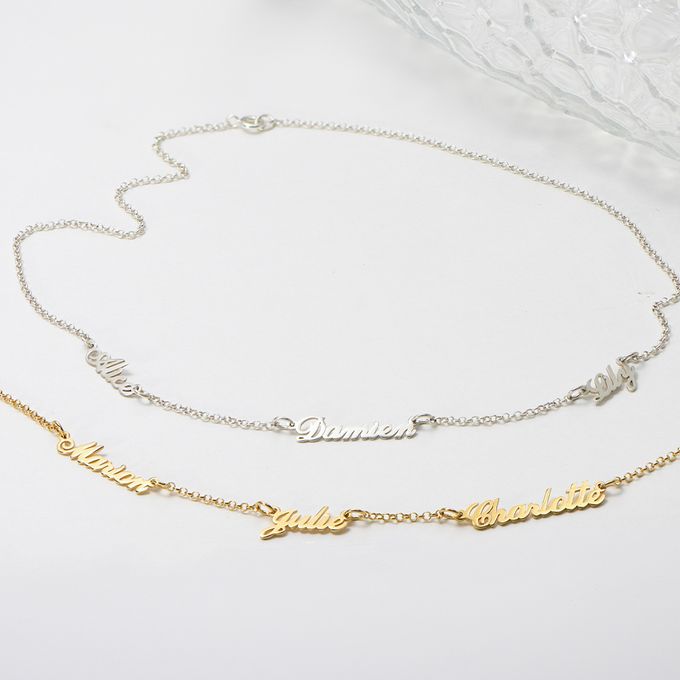
This guide walks you through white gold vs yellow gold in a clear and practical way. You will learn how each metal is made, how it looks on different skin tones, how it wears over time, and how much care it really needs. You will also get simple style tips to help you choose a metal that fits your everyday life, not just a perfectly lit photo.
White Gold vs Yellow Gold 101
- White gold and yellow gold are both real gold alloys, differing mainly in color, alloy composition, and maintenance requirements.
- White gold offers a cool, modern look and enhances bright diamonds and cool-toned gems.
- Yellow gold delivers warmth, tradition, and strong contrast with rich gemstones and vintage styles.
- 14K is a durable everyday option for both metals; higher karats in yellow gold are softer.
- White gold may require rhodium replating, while yellow gold generally needs only occasional polishing.
- Skin sensitivity and alloy content matter, especially for nickel allergies.
- You can confidently mix both metals or choose based on skin tone, wardrobe, and personal style.
What Is Gold, Really? Karats and Alloys
To understand the difference between white gold and yellow gold, it helps to start with the basics. Pure gold is 24 karat. It is naturally a rich yellow color and very soft. That softness is a problem for everyday jewelry because it bends and scratches too easily. To make gold practical for rings, bracelets, and necklaces, jewelers mix it with other metals. That mix is called an alloy.
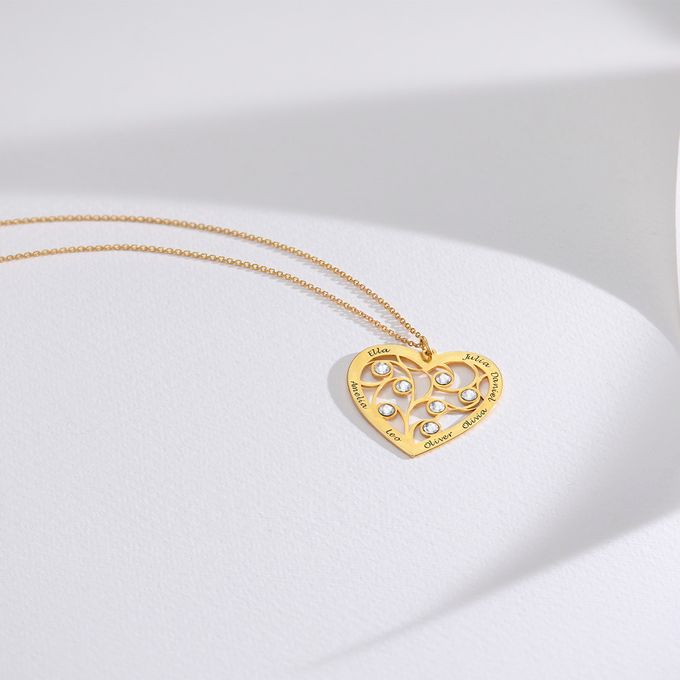
How Karats Affect Color and Strength
The karat number tells you how much of the metal is pure gold. Fourteen karat (14K) gold is about 58% gold and 42% other metals. Eighteen karat (18K) gold is about 75% gold and 25% other metals. The remaining percentage is where the color and extra strength come from.
If you add metals like copper and silver in certain proportions, you end up with a warm yellow color that still looks like classic gold. If you add metals like nickel, palladium, or more silver, you cool the color down and move toward a white tone. At the same karat, white gold and yellow gold contain the same amount of pure gold. What changes is the supporting cast around it.
Once you see gold this way, white gold vs yellow gold is not about real vs fake. It is about which alloy and color make sense for your style, skin, and daily routine.
What Is White Gold?
White gold is a gold alloy made to have a cool, pale tone instead of classic yellow. It starts as yellow gold and is blended with white metals like nickel, palladium, or silver to lighten its color. The alloy is then coated with a thin layer of rhodium, a platinum family metal that gives white gold its bright, mirror-like finish.
This rhodium layer is what gives white gold its resemblance to platinum, which is why many people choose it for engagement rings and everyday pieces. The gold content, however, stays the same. A 14K white gold ring contains the same amount of pure gold as a 14K yellow gold ring. What changes is the way that gold is presented.
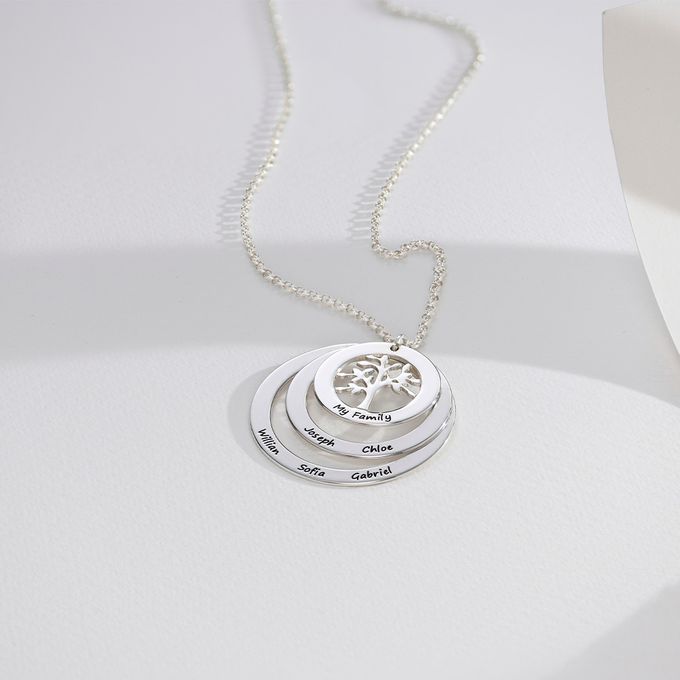
Why People Choose White Gold
White gold appeals to people who like a clean, neutral base for their jewelry and want their pieces to blend easily with existing silver or stainless steel. It flatters cool and neutral skin tones and makes colorless diamonds look bright because it does not add warmth around the stone.
The alloy can feel slightly harder than high-karat yellow gold, which helps protect against tiny scratches, making 14K white gold a solid everyday option. The tradeoff is maintenance. Rhodium plating wears down over time, revealing a softer, off-white tone underneath, so occasional replating keeps it looking crisp.
If you are sensitive to nickel, check the alloy, since some white gold blends include nickel once the plating fades.
What Is Yellow Gold?
Yellow gold is the classic gold color most people imagine in vintage signet rings, traditional wedding bands, and heirloom pieces. Modern designs can make it feel fresh and contemporary, but it still carries a timeless, familiar warmth.
Like all gold used in jewelry, yellow gold is an alloy. Pure gold is mixed with metals such as copper and silver to strengthen it while preserving its warm tone. Higher karats have a richer, deeper color because they contain more pure gold, while 14K offers a slightly softer hue with better durability for everyday wear.
Unlike white gold, yellow gold does not rely on plating. The color runs through the entire alloy, so small scratches or a soft patina simply add character rather than changing its appearance. Many people appreciate this lived-in look because it gives the piece a sense of history.
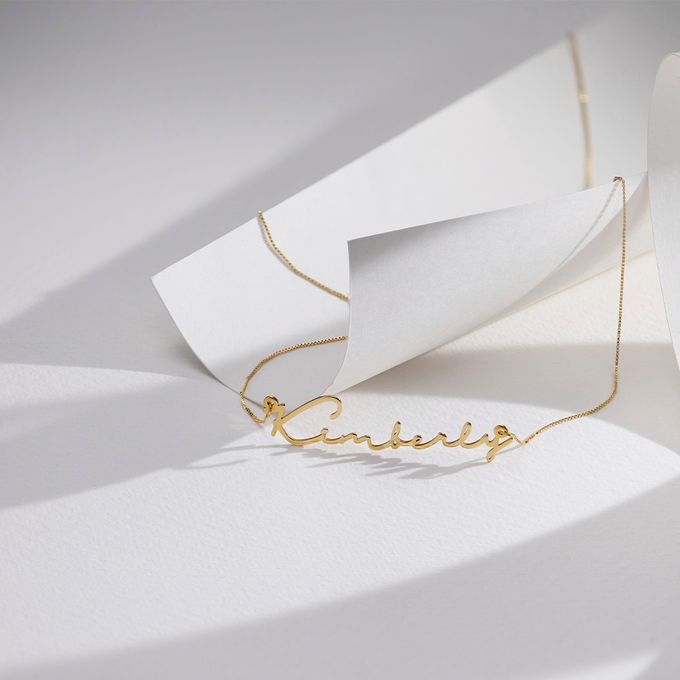
Why People Choose Yellow Gold
Yellow gold draws people who love warmth, richness, and a sense of tradition. It flatters many warm and deeper skin tones and works naturally with vintage-inspired styles and engraved details. Its color also complements slightly warmer diamonds and makes rich gemstones, such as emeralds and rubies, stand out against a golden backdrop.
Yellow gold is often gentler on sensitive skin because its alloys usually rely on copper and silver rather than nickel.
The main tradeoff is softness at high karats, especially eighteen karats, which can show wear more easily. However, choosing a more durable karat, such as 14 karats, solves most durability concerns.
White Gold vs Yellow Gold in Real Life
Once you understand what each metal is, the question becomes much more personal. It is not just “which is better” in an abstract sense. It is “which works better for me, my skin, and my everyday routine.”
Color and Style in Everyday Wear
White gold has a clean, understated presence that lets stones and shapes stand out. It feels contemporary and minimalist, especially with its simple lines and cool-toned palettes. Yellow gold brings the opposite effect. It is warm, eye-catching, and instantly noticeable, giving even minimal designs a sense of richness and character.
Durability, Maintenance, and Skin Sensitivity
Both white and yellow gold perform well for daily wear when you choose a practical karat, like 14K. Higher karat yellow gold is softer and can show marks more quickly, while white gold’s alloy is a bit harder but requires periodic rhodium replating as the finish fades. Yellow gold, on the other hand, usually only needs polishing.
If you have sensitive skin, the alloy matters. Nickel in some white gold blends can cause irritation once the plating wears down, while yellow gold alloys tend to be more comfortable. Nickel-free white gold is also an option if you prefer a cooler tone.
How Stones Behave in Each Metal
The stones you love are part of this decision. If you prefer very bright, colorless diamonds and cool-toned gems, white gold will support that look. If you appreciate a slightly vintage mood and richer colored stones, yellow gold will enhance it.

How To Decide Which Gold Color Is Right for You
If choosing between white gold and yellow gold feels overwhelming, there are a few simple ways to make the decision feel clear and personal.
Look At What You Already Wear
Start with your own collection. If you naturally reach for silver, white, or gray-toned jewelry, white gold will blend in seamlessly. If you already love several yellow pieces, adding more yellow gold will help your stack feel cohesive and intentional.
See Metals on Your Skin in Daylight
Check each metal against your skin in natural daylight. Hold a white toned piece beside your wrist, then do the same with a warm gold piece. Notice which one brightens your skin and which one feels more “you.” There is no strict rule about undertones. The right metal is the one that feels natural the moment you see it.
Think About Effort and Upkeep
Think about how much maintenance you are comfortable with. White gold needs occasional rhodium replating to stay bright, while yellow gold typically only requires polishing. If you prefer a low-maintenance metal, yellow gold may feel easier. If you love a crisp white finish and do not mind occasional upkeep, white gold is a great fit.
Do Not Be Afraid to Mix Metals
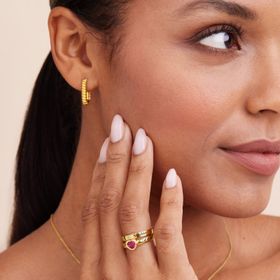
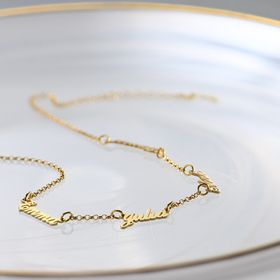
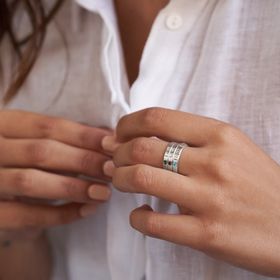
You also do not have to choose just one. Many people enjoy mixing white and yellow gold for a modern, layered look. A yellow gold name necklace stacked with a white gold chain or a white gold engagement ring paired with a yellow gold band can feel stylish, personal, and effortless. If you genuinely love both tones, your jewelry can reflect that.
TheoGrace Jewelry in White and Yellow Gold
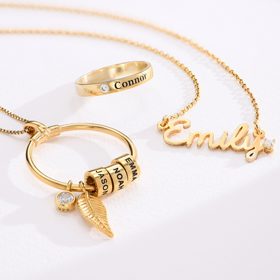
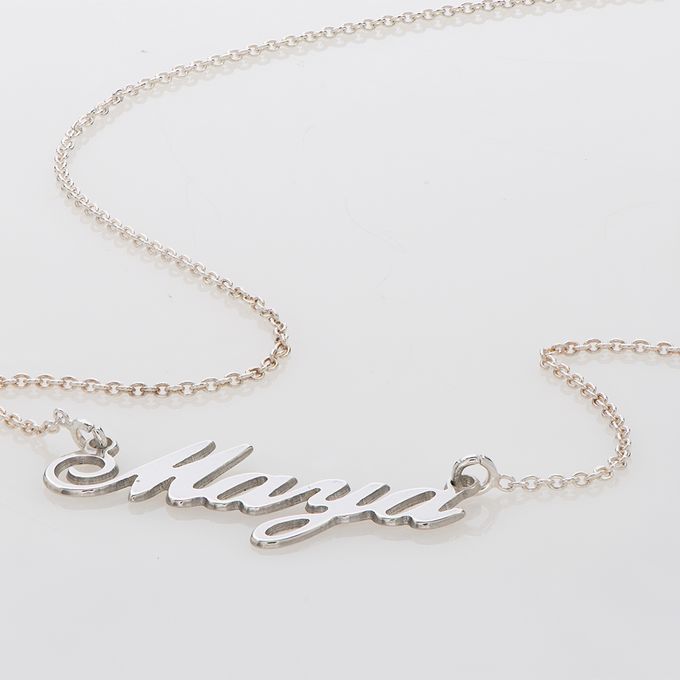
Many TheoGrace designs are available in both warm yellow and sleek white finishes, so choosing a metal is less about limitations and more about expressing your style.
You might choose a yellow gold name necklace that feels nostalgic and pair it with a white gold chain you wear daily. You might pick matching bracelets in different metals for you and a friend, so each of you can wear the tone that suits you best. You might even mark different milestones in different metals, using yellow gold for family connections and white gold for personal achievements.
The gold alloy and color set the tone, but the names, dates, and initials you choose are what make the jewelry yours.
FAQs
Is white gold more expensive than yellow gold?
At the same karat, they usually cost about the same. Small differences depend on alloy metals and the rhodium plating used on white gold. White gold may need more long-term maintenance because of replating, while yellow gold typically only needs polishing.
Does white gold turn yellow over time?
White gold does not turn into yellow gold, but its rhodium plating wears away. As it fades, the warmer underlying alloy shows through. Replating restores the bright white finish.
Is yellow gold better for sensitive skin?
Often yes. Yellow gold usually uses copper and silver rather than nickel, which can be easier on sensitive skin. Nickel-free white gold is also available, so checking alloy details is always helpful.
Which is better for everyday wear: white gold or yellow gold?
Both work well if you choose a practical karat like 14K. White gold may need periodic replating, and yellow gold may show small scratches that polish out. The better option is the one whose upkeep and look suit you.
How often does white gold need to be replated?
It depends on wear. A daily ring may need replating every one to three years, while earrings or pendants may go much longer. When white gold starts looking slightly dull or creamy, it is usually time for a refresh.
Can I mix white gold and yellow gold jewelry?
Yes. Mixing metals is modern and intentional. Stacking rings in both tones or pairing a yellow gold necklace with a white gold chain can create a personal, stylish look.