

Lab-Grown vs. Natural Diamonds
If you have been browsing jewelry lately, you have probably noticed the rise of lab-grown diamonds. They are sparkling on engagement rings, shining in necklaces, and trending everywhere online. And yet, the same question keeps coming up: Are lab-grown diamonds real diamonds?
Published January 28, 2026

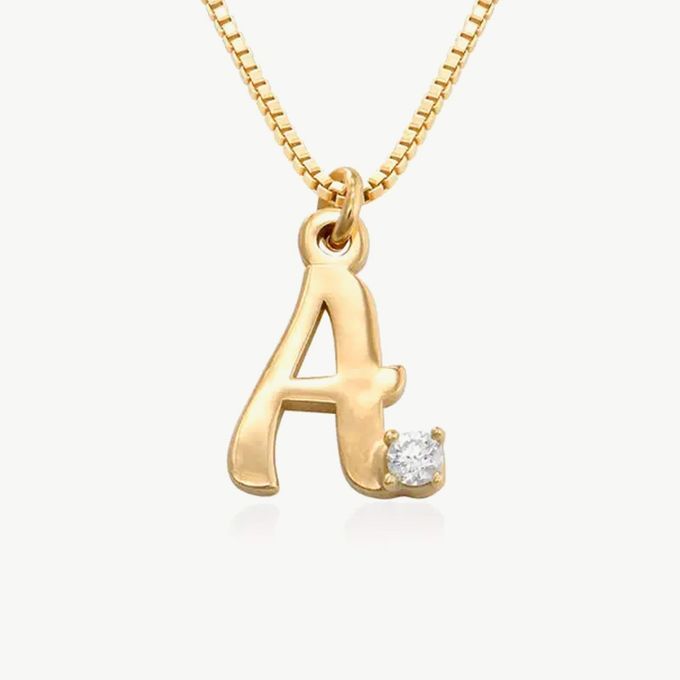
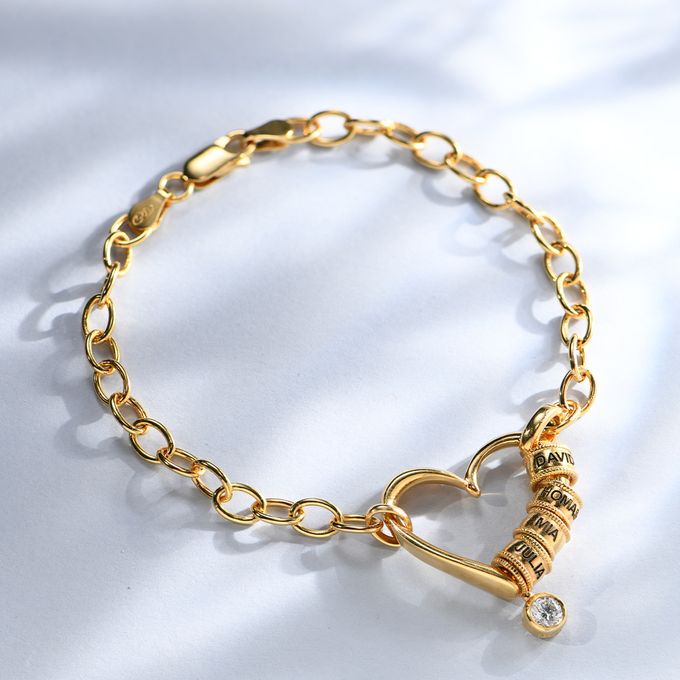
Classic Cocktail Name Necklace with Diamond in Gold Plating
The short answer is yes. But there is so much more to understand, and at Theo Grace we believe the more you know about what you wear, the more meaningful it becomes. Let’s dive into the sparkle.
1. What Are Lab-Grown Diamonds?
A lab-grown diamond is a real diamond that begins its life in a laboratory instead of deep underground. It has the same chemical, physical, and optical properties as a mined diamond.
That means the same sparkle, the same hardness, the same clarity potential, and the same brilliance.
The only difference is where the diamond starts its journey. Natural diamonds grow deep within the earth over billions of years. Lab-grown diamonds grow in a controlled environment using advanced technology, but the result is the same dazzling carbon crystal. The similarities are so strong that even trained gemologists rely on specialized equipment to tell the difference.
2. How Are Lab-Grown Diamonds Made?
There are two main techniques, and both are fascinating in their own way.
A. HPHT (High Pressure and High Temperature)
This method recreates the intense heat and pressure found deep underground.
- A tiny diamond seed is placed inside carbon
- High heat and pressure are applied
- The carbon crystallizes around the seed
- A diamond forms
Think of HPHT as nature’s process, but produced with modern technology.
B. CVD (Chemical Vapor Deposition)
This is the newer technique.
- A diamond seed is placed in a chamber
- Carbon-rich gas is added and heated
- Carbon atoms attach to the seed
- The diamond grows layer by layer
CVD often results in beautiful clarity and consistent quality.
In both methods, the outcome is the same: a real diamond with unforgettable sparkle.
3. Are Lab-Grown Diamonds Real? Yes, Completely.
A diamond is defined by its structure, and lab-grown diamonds match every requirement.
They are:
- Certified by major gem labs such as IGI and GIA
- Identical in brilliance
- Identical in durability
- Identical in hardness
They last forever. They shine just as brightly. They look and feel exactly the same. A lab-grown diamond is a diamond without question.
4. Lab-Grown vs Natural Diamonds: What’s the Difference?
Here’s a quick comparison:
Feature | Lab-Grown | Natural |
|---|---|---|
Composition | Pure carbon | Pure carbon |
Sparkle | Identical | Identical |
Formation | Grown in a lab over weeks | Formed underground over billions of years |
Ethical and Sustainable | Very high | Varies |
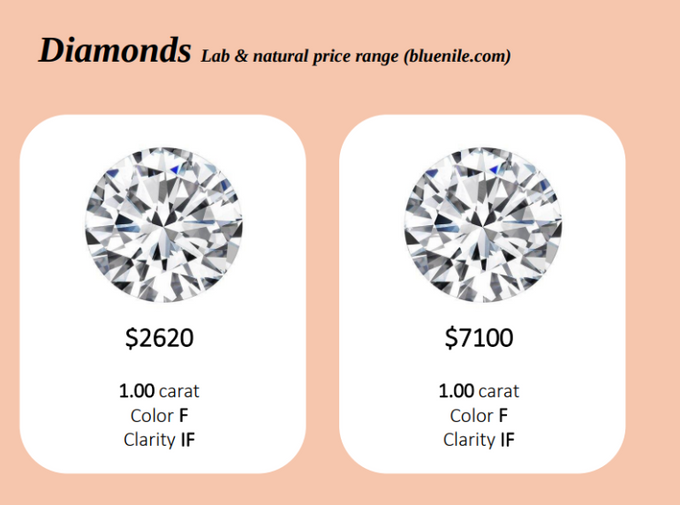
Cost | 30 to 70 percent more affordable | Higher |
Value Retention | Similar to tech-based pricing | Traditional market pricing |
Choosing lab-grown simply means choosing a modern, ethical, and accessible alternative. It does not mean choosing a lesser stone.
5. Why Are Lab-Grown Diamonds More Affordable?
Many people wonder, “If it is the same diamond, why is the price lower?” Here’s why:
A. Less complex supply chain
There is no heavy machinery, no large-scale mining, and no excavation.
B. More control over production
Labs know exactly how many diamonds they can produce, which reduces rarity-based pricing.
C. Fewer middlemen
Diamonds can often go straight from the lab to the cutter to the jeweler. This makes lab-grown diamonds not only more ethical and more sustainable, but also more accessible.
6. The Environmental and Ethical Impact
This is where lab-grown diamonds truly shine. They require no mining, no soil disruption, no habitat damage, and they generally have a lower carbon footprint. There are also no human labor concerns linked to traditional mining.
They offer all the beauty of a diamond with a lighter global footprint. This feels especially meaningful for modern families, modern love, and modern gifting.
7. Durability and Longevity: Do Lab-Grown Diamonds Last?
Yes. Lab-grown diamonds score a 10 out of 10 on the Mohs hardness scale, identical to natural diamonds. This means they do not scratch easily, do not cloud over time, and do not lose their brilliance.
They are perfect for everyday wear: necklaces, rings, earrings, keepsakes, and gifts that are meant to be passed down through generations.
8. Lab-Grown Diamonds vs Moissanite vs Cubic Zirconia
These stones often get compared, but they are very different. Here is a quick breakdown:
Lab-Grown Diamonds
- Real diamonds
- Brilliant, durable, forever stones
Moissanite
- A different gemstone entirely
- A fiery sparkle that can appear rainbow-like
- More affordable
Cubic Zirconia (CZ)
- A synthetic crystal
- Sparkly but softer
- Can become cloudy over time
- Very low price point
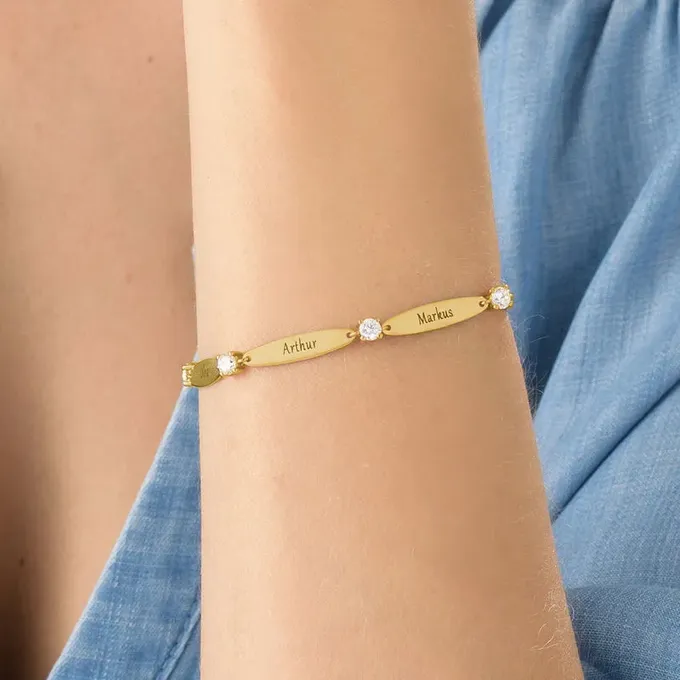
If you want the real diamond look, feel, and durability, lab-grown is the clear winner.
9. Understanding the 4Cs for Lab-Grown Diamonds
Just like mined diamonds, lab-grown diamonds follow the 4Cs.
- Cut - The most important factor. A great cut creates maximum sparkle.
- Color - Lab-grown diamonds come in every shade from D (colorless) to near-colorless, so you can choose the look you love.
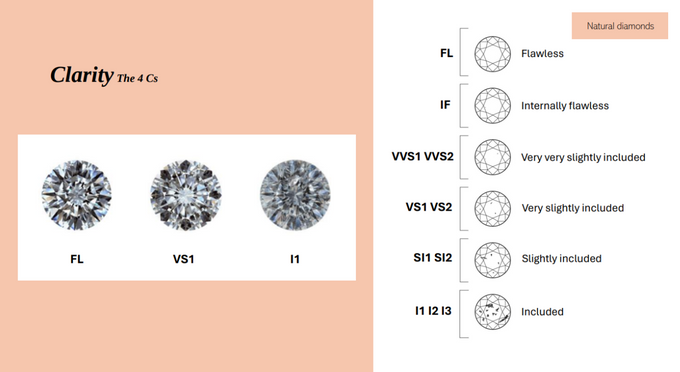
- Clarity - Most lab-grown diamonds have beautiful clarity because they are grown in controlled settings.
- Carat - Because lab-grown diamonds are more accessible, many shoppers choose larger carats while staying within budget.
10. Why We Love Lab-Grown Diamonds at Theo Grace
At Theo Grace, jewelry is all about meaning, joy, and celebrating the people we love. Lab-grown diamonds allow us to offer brilliant pieces with exceptional quality and thoughtful design. They make meaningful luxury more accessible to more people.
Jewelry should feel like joy. Like connection. Like love in its brightest form. Lab-grown diamonds offer all the brilliance of a mined diamond with added transparency and accessibility. They give you more ways to say what you feel and celebrate what matters.
FAQs
Will lab-grown diamonds hold value?
Just like natural diamonds, retail value varies. Most people buy diamond jewelry for its meaning, not investment, and lab-grown stones let you invest more in design, craftsmanship, and personalization.
Can you tell the difference?
Not with the naked eye. Not in photos. Not even most professionals without equipment.
Are lab-grown diamonds good for engagement rings?
Absolutely. They’re real diamonds and incredibly durable.
Do they cloud over time?
No. Clouding is a myth. They remain brilliant for life.
Are lab-grown diamonds ethical?
Yes. They’re one of the most ethical and environmentally conscious diamond options available.