

How to Get a Ring Off a Swollen Finger: Safe, Simple Methods That Actually Work
If you are searching for how to get a ring off a swollen finger, you are likely feeling uncomfortable, worried, or both. A ring that usually fits fine can suddenly feel tight or completely stuck, often at the worst possible moment. The good news is that finger swelling is common, and usually temporary, and most stuck rings can be removed safely with patience and the right approach.


Updated February 15, 2026

This guide walks you through calm, practical steps to help remove a ring from a swollen finger without causing injury. We will explain why rings get stuck, what not to do, and which gentle methods to try first. If you reach a point where home solutions are no longer effective, we will also cover when and how to seek professional help.
Why Rings Get Stuck on Swollen Fingers
Understanding why a ring gets stuck can make the situation feel less alarming. In most cases, the issue is not the ring itself but temporary changes in your finger.
Temporary swelling
Heat, humidity, exercise, and salty foods can all cause your body to retain fluid. Fingers are especially sensitive to these changes, which is why a ring might feel tight after a walk on a warm day or later in the evening.
Injury or irritation
Minor injuries, insect bites, or even sleeping in an awkward position can cause localized swelling. When this happens around the knuckle or base of the finger, a ring can become difficult to remove.
Time of day and natural changes
Many people have slimmer fingers in the morning and fuller fingers later in the day. Hormonal shifts and hydration levels can also play a role, making fit fluctuate more than expected.
Ring fit and band width
Rings that fit snugly or have wider bands are more likely to get stuck when swelling occurs. A wide band covers more surface area, which can increase resistance as you try to slide it off.
What Not to Do If Your Ring Is Stuck
When a ring will not budge, the instinct is often to pull harder. This usually makes the problem worse.
Avoid yanking, twisting aggressively, or repeatedly forcing the ring over the knuckle. This can lead to increased swelling and pain. Do not use sharp tools or attempt to cut the ring at home. If your finger becomes extremely painful, numb, or discolored, stop trying to remove the ring and seek professional medical attention.
Staying calm and moving slowly gives you the best chance of success.
How to Get a Ring Off a Swollen Finger: Step-by-Step Methods
If your finger is swollen but not painful or discolored, try the following methods in order. Give each one time to work before moving on to the next.
Method 1: Elevate Your Hand and Relax
This is the simplest and often most effective first step.
Raise your hand above heart level for five to ten minutes. You can lie down and rest your arm on pillows or hold it up while seated. Take slow, deep breaths and try to relax your hand. Elevation helps fluid drain away from the finger, which can reduce swelling enough for the ring to slide off.
After a few minutes, gently twist the ring back and forth while pulling slowly toward the fingertip.
Method 2: Cool the Finger
Cooling helps reduce inflammation and swelling.
Apply a cold pack or wrap ice in a cloth and place it around the finger for a few minutes. You can also run your hand under cool, not icy, water. Once the finger feels cooler and slightly less swollen, try gently removing the ring again.
Method 3: Use Lubrication
Lubrication reduces friction between the ring and your skin, making it easier for the ring to slide off.
You can use everyday items such as soap, hand lotion, cooking oil, petroleum jelly, or even conditioner. Apply a generous amount around the ring and finger, including over the knuckle. Slowly twist the ring while easing it toward the fingertip rather than pulling straight off.
If the ring moves a little but then stops, pause, reapply lubricant, and try again gently.
Method 4: The String or Dental Floss Method
If elevation, cooling, and lubrication have not been effective, the string or dental floss method can be a viable option when used carefully. This technique works by compressing the swelling and guiding the ring off gradually.
Start by sliding a piece of dental floss, a thin string, or a ribbon under the ring, with one end pointing toward your fingertip. If it is hard to get underneath, use a blunt tool, such as a toothpick, to help guide it without pressing into the skin. Once the floss is under the ring, wrap the long end tightly but gently around your finger, starting just above the ring and working toward the fingertip. The wraps should sit close together without overlapping.
When your finger is fully wrapped, begin unwrapping from the end closest to the ring. As you unwind, the ring should slowly move over the wrapped section and toward the fingertip. If you feel pain, numbness, or increased pressure, stop and remove the floss.
Method 5: Gentle Compression and Glide
In some cases, light compression can help reduce swelling enough for removal. If you have a thin elastic wrap or medical tape, wrap the finger snugly but not tightly, starting above the ring and moving toward the fingertip. Leave it in place for a few minutes, then remove the wrap and apply lubrication before trying again.
This method should only be used if circulation is not compromised. If your finger becomes cold, pale, or painful, remove the wrap immediately.

If the Ring Still Will Not Come Off
If none of these methods work, it is time to seek professional help. A local jeweler can often remove a stuck ring safely using proper tools, and many do this quickly and calmly. In medical settings, professionals have ring cutters designed to remove rings without harming the finger.
When to Seek Medical Help Immediately
Do not continue trying to remove a ring if your finger becomes very painful, numb, or starts to change color. Blue, purple, or white skin can be a sign that circulation is being affected.
You should seek urgent medical care if swelling increases rapidly, you experience tingling or loss of sensation, or the finger feels cold to the touch. Medical professionals can remove the ring quickly and safely to protect your finger.
How to Reduce Finger Swelling After Removal
Once the ring is off, it's helpful to focus on reducing swelling and allowing your finger time to recover. Keep your hand elevated above heart level for short periods to encourage fluid to drain away. Applying a cool compress or ice wrapped in a cloth for a few minutes at a time can also help reduce swelling.
Drinking water and avoiding salty foods for the rest of the day may reduce fluid retention. If your finger feels sore, give it a break from tight jewelry and repetitive movements. In most cases, swelling improves within a few hours as circulation returns to normal.
How to Prevent a Ring from Getting Stuck Again
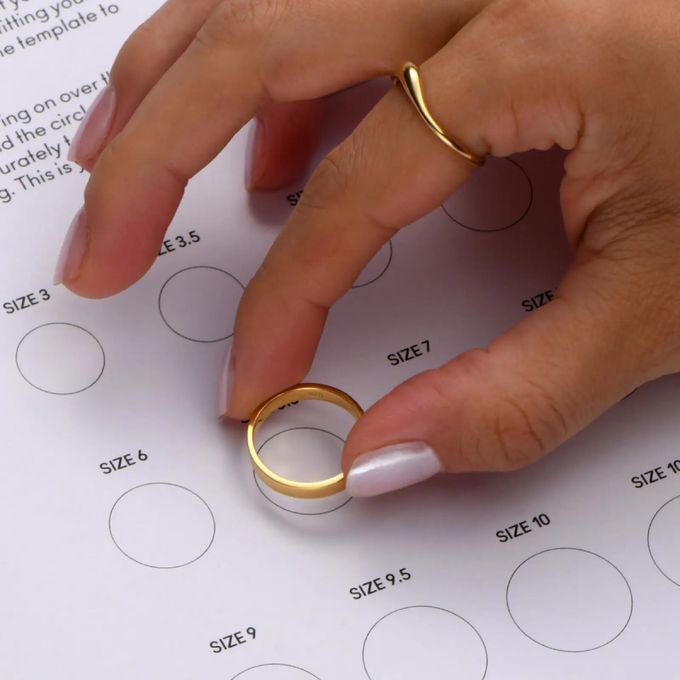
Preventing a stuck ring usually comes down to fit, timing, and awareness of how your body changes. Make sure your ring is sized for everyday conditions, not just a cool morning or a moment when your hands are at their smallest.
It can help to remove rings before exercise, long walks in warm weather, travel, or activities that tend to cause swelling. If your ring often feels tight later in the day or during certain seasons, resizing or choosing a slightly more forgiving fit can make everyday wear much more comfortable.
TheoGrace Rings and Everyday Fit
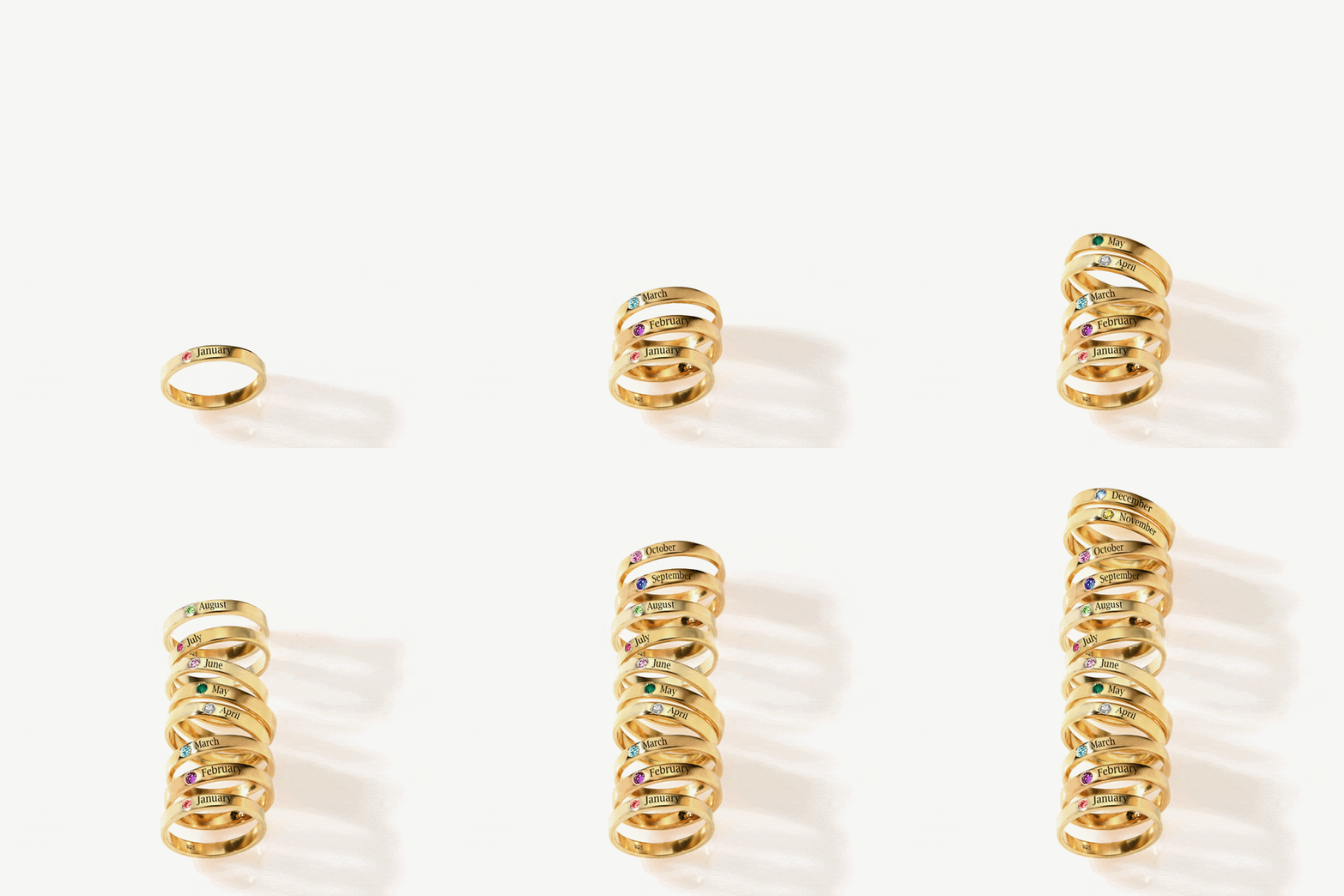
TheoGrace designs are created with real-life wear in mind, with an emphasis on comfort, balance, and smooth interiors that feel natural on the finger from morning to night. Proportions are considered carefully so rings sit securely without feeling heavy or restrictive during everyday activities.
Sizing guidance is available to help you choose a fit that allows for natural changes in finger size throughout the day and across seasons. This approach helps ensure your ring feels comfortable and wearable over time, not just when you first put it on.
Key Takeaways
- Finger swelling is a common condition often caused by heat, physical activity, or fluid retention.
- Most stuck rings can be removed safely at home with gentle techniques.
- Elevation, cooling, and lubrication are usually the most effective first steps.
- Avoid forcing or pulling, as this can make swelling worse.
- Seek professional or medical help if you notice pain, numbness, or color changes.
FAQs
How long should I wait between attempts to remove it?
Wait at least five to ten minutes between attempts to allow swelling to settle. Rushing can make swelling worse.
Can soap or oil damage my ring?
Most common soaps and oils are safe for gold and many gemstones, but wipe the ring clean afterward to remove residue.
Does ice really help?
Yes. Cooling reduces inflammation and can make a noticeable difference, especially when combined with elevation.
Will cutting the ring ruin it?
Cutting the ring does not always mean it is permanently damaged. Many rings can be repaired after removal.
Can jewelers remove rings safely?
Yes. Jewelers and medical professionals are experienced in safely removing stuck rings and do so on a regular basis.