

How Should a Ring Fit? A Simple Guide to Comfort, Sizing, and Everyday Wear
If you have ever slipped on a ring and wondered whether it feels quite right, you are not alone. One of the most common questions people ask when choosing jewelry is how a ring should fit. A ring that fits well feels secure, comfortable, and easy to wear throughout the day, whereas a ring that doesn't can distract you, pinch your finger, or leave you worrying about losing it.
Published February 8, 2026
In this guide, we break down ring fit in a clear, practical way. You will learn how a ring should feel when it fits correctly, how tight is too tight, how loose is too loose, and what can affect the way a ring fits over time. Whether you are buying a ring for yourself, choosing a meaningful gift, or ordering online, understanding fit helps you feel confident in your choice.
How Should a Ring Fit? The Simple Answer
At its simplest, a ring should feel like it belongs on your finger without demanding your attention. When you slide it on, it should pass over the knuckle with a bit of resistance, then settle comfortably at the base of the finger. When you try to remove it, you should feel that same gentle resistance again.
A ring that fits well does not squeeze or throb, and it does not feel like it might fall off with even the slightest movement. You should be aware that the ring is there, but it should never feel painful, restrictive, or distracting during everyday activities like typing, walking, or washing your hands.
Signs Your Ring Fits Correctly
If you are unsure whether your ring fits as it should, a few simple signs can help you tell.
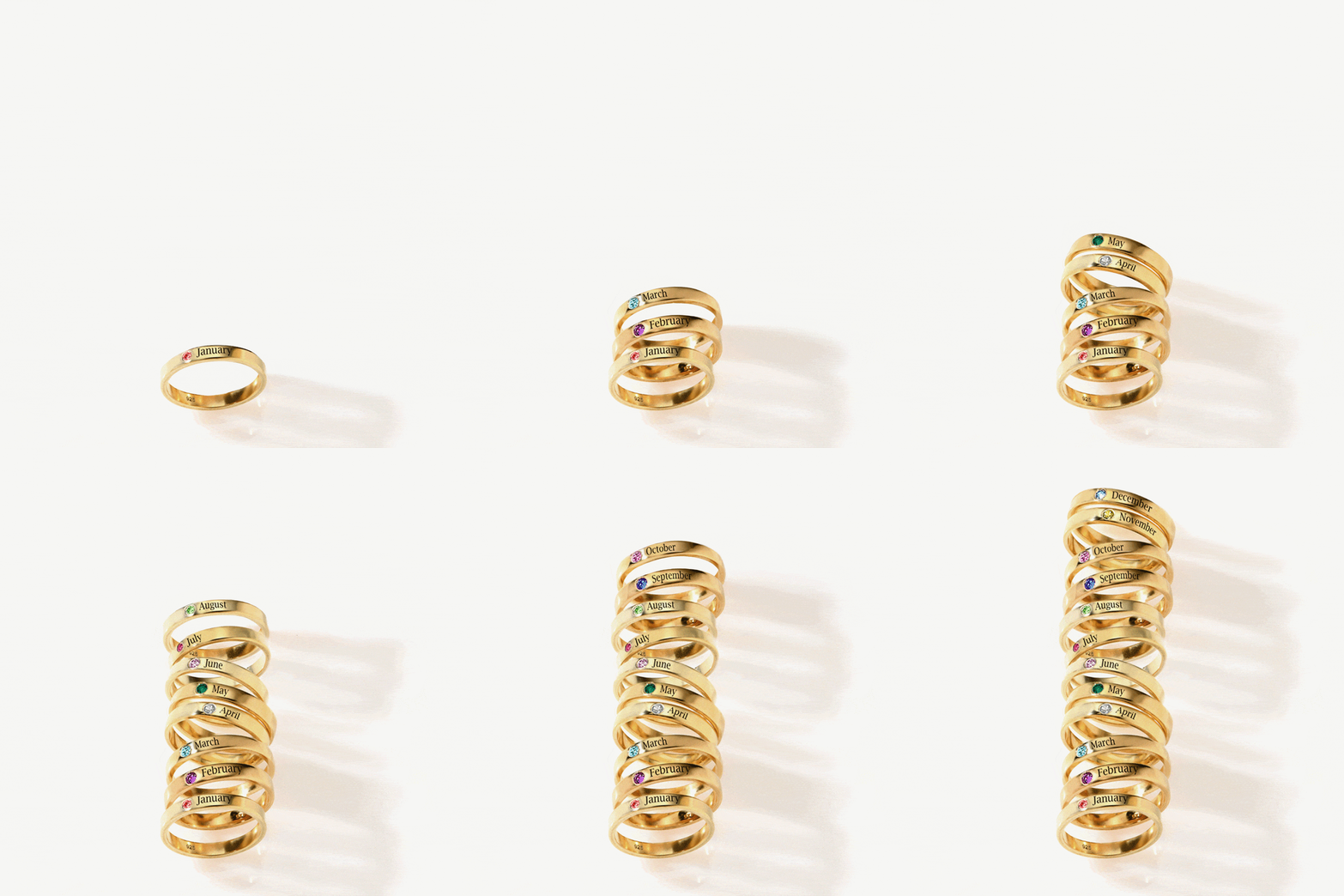
A properly fitting ring will slide on smoothly without force and come off with light resistance. It should sit comfortably at the base of your finger without pressing into the skin. When your hands are relaxed, the ring should stay mostly in place rather than spinning constantly.
Many people worry that a ring should feel completely effortless to remove. In reality, a little resistance at the knuckle is normal and often desirable. That resistance is what helps keep the ring secure during everyday movement.
Signs a Ring Is Too Tight
A ring that is too tight usually becomes noticeable quickly. If you struggle to slide the ring on or off, especially if it feels painful, that is a strong sign the size is too small.
You might also notice that the ring feels fine in the morning but becomes uncomfortable as the day goes on. This often happens because fingers naturally swell slightly with heat, activity, or fluid retention. While a small change in snugness is normal, ongoing discomfort is not something you should ignore.
Signs a Ring Is Too Loose
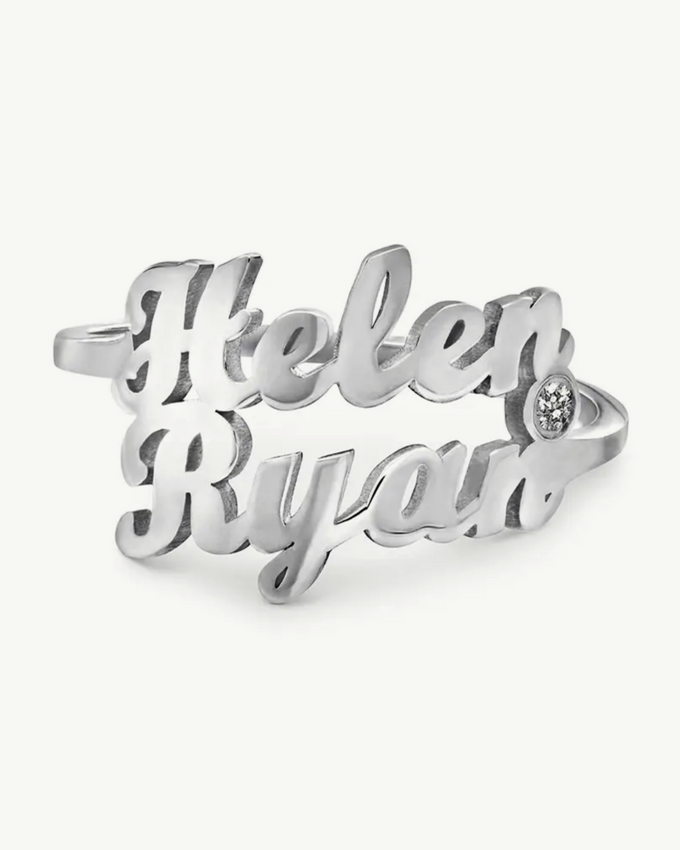
A ring that is too loose can be just as uncomfortable. If your ring spins constantly, slides around when you move your hand, or feels unstable during simple activities, it may be too big. Rings that slip off easily when your hands are cold or wet are also at risk of being lost.
Some movement is normal, especially with top-heavy designs, but a ring should not feel like it could fall off without you noticing. If you find yourself checking or adjusting it throughout the day, sizing down slightly can make a big difference in comfort and peace of mind.
What Affects Ring Fit Throughout the Day
Even a perfectly sized ring will not feel exactly the same at all times. Fingers naturally change size, which is why fit can feel different from morning to evening.
Temperature changes
Cold temperatures cause fingers to shrink, while warmth causes them to swell. This is why rings often feel looser in winter and tighter in summer, or after washing your hands with hot water.
Time of day and activity
Many people notice their fingers are slimmer in the morning and slightly fuller later in the day. Physical activity, typing, or walking for long periods can all increase circulation and cause mild swelling.
Hydration and lifestyle factors
Salt intake, dehydration, and even hormonal changes can affect how much your fingers swell. These changes are normal and usually temporary, but they explain why a ring that fits well still feels slightly different at times.
How Ring Style and Design Affect Fit
Ring size is not just about the number. The style of the ring plays a big role in how it feels once it is on your finger.
Band width
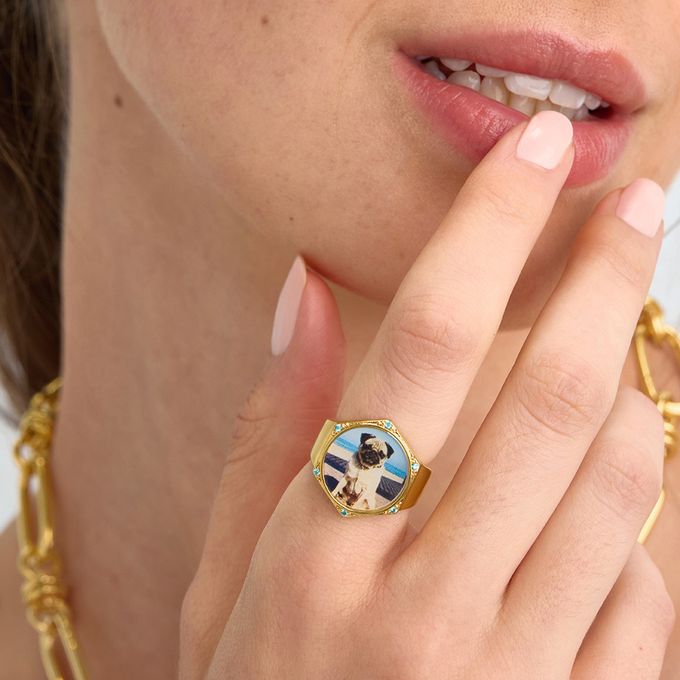
Wider bands tend to feel tighter than narrow ones, even when they are the same size. A thick band covers a larger surface area, increasing contact with the finger. Many people choose to size up slightly for wider styles to maintain comfort.
Ring profile and interior shape
Some rings have a flat interior, while others have a gently rounded inner edge, often referred to as a comfort fit. Rounded interiors usually feel smoother and more comfortable to wear for extended periods, especially for everyday rings.
Stacking and layering
If you wear multiple rings together, they can affect each other’s fit. Stacked rings often feel tighter as a group than they do individually. If you plan to stack, it is worth considering how the combined width will feel on your finger.
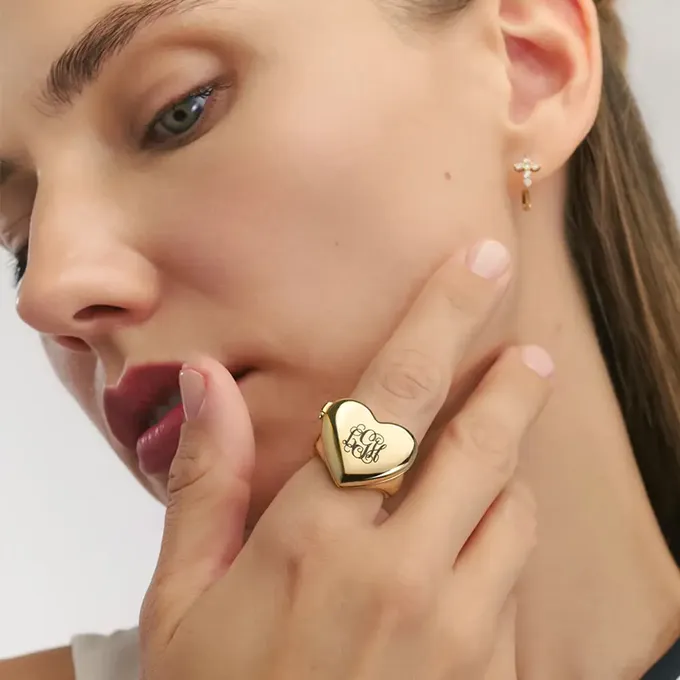
How Should a Ring Fit for Everyday Wear vs Special Occasions
How often you plan to wear a ring should influence how it fits. Rings meant for everyday wear need to feel comfortable and secure for long stretches of time, while rings worn occasionally can allow for a little more flexibility.
For everyday rings, comfort is key. The ring should stay in place through normal activities like typing, walking, and washing your hands without pinching or sliding around. A slightly snug fit at the base of the finger helps prevent constant spinning and reduces the risk of loss.
For special occasion rings, such as statement pieces or rings worn only a few times a year, a slightly looser fit can be acceptable. Because they are not worn for hours at a time, minor movement is less of a concern.
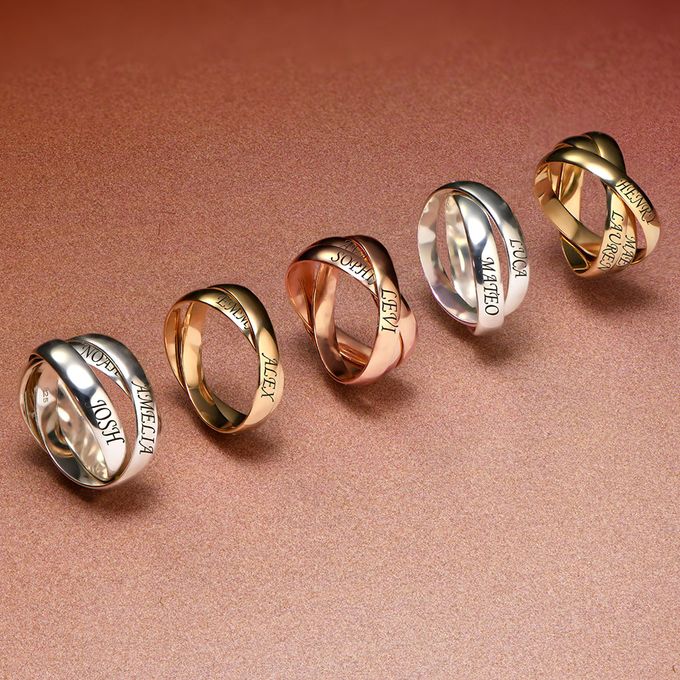
How to Find Your Ring Size at Home
If you are ordering a ring online or buying a gift, measuring at home can be a helpful starting point. While it is not always as precise as professional sizing, it can get you very close when done carefully.
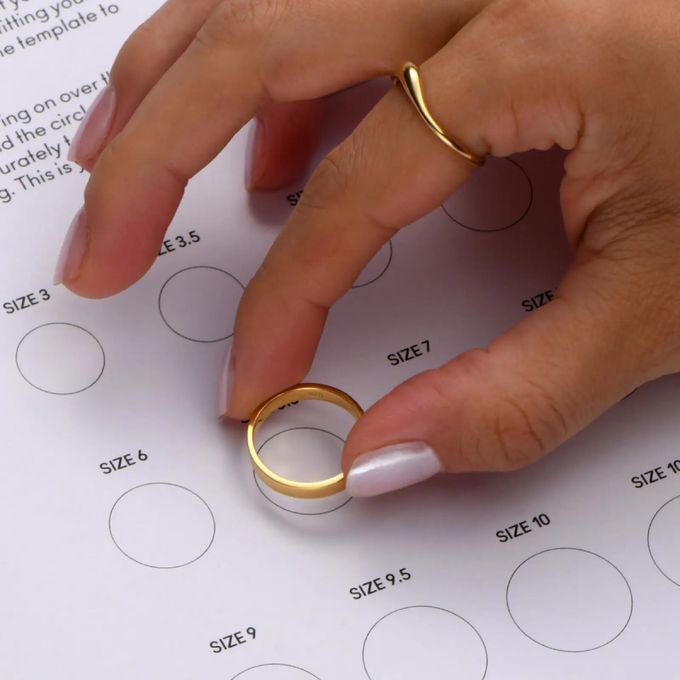
Using a printable ring size guide
Printable sizing guides allow you to place an existing ring over printed circles to find the closest match. For best results, choose a ring that already fits the intended finger well and make sure the page is printed at 100% scale.
Measuring an existing ring
You can also measure the inside diameter of a ring you already own using a ruler or calipers. Compare that measurement to a standard ring size chart. This method works best for rings with a simple, round shape.
Common at-home sizing mistakes
Measuring when your fingers are cold, swollen, or right after exercise can lead to inaccurate results. It is also easy to measure the knuckle rather than the base of the finger. Try to measure when your hands are at a normal temperature and repeat the process multiple times for accuracy.
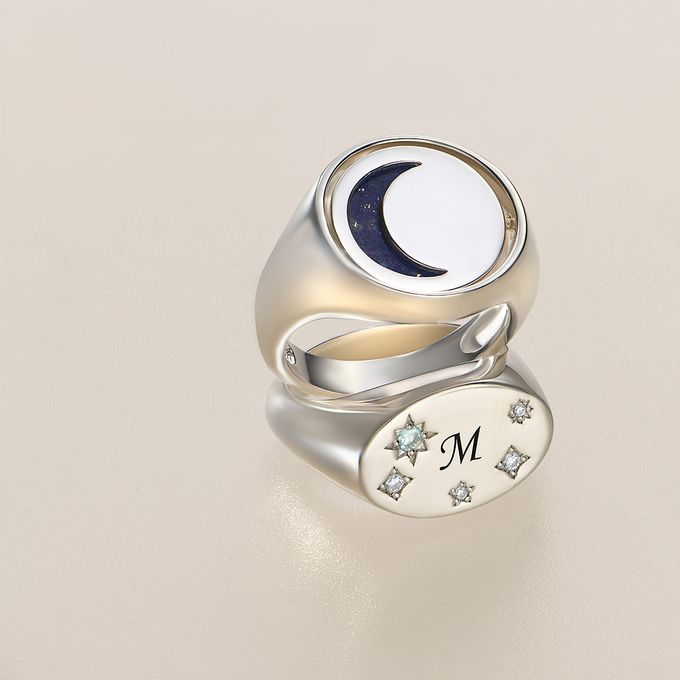
Professional Ring Sizing: When It Is Worth It
Professional sizing is the most accurate way to find your ring size, especially for meaningful pieces you plan to wear every day. Jewelers use metal sizing tools that account for shape, width, and how the ring sits on your finger.
Professional sizing is particularly helpful if you are between sizes, choosing a wide band, or ordering a ring as a surprise gift. Spending a few minutes getting sized can save time and resizing later, and it gives peace of mind when placing an online order.
Ordering a Ring Online: What to Know About Fit
Buying a ring online is convenient and often offers more design options, but fit is understandably a common concern. Knowing what to look for can make the process much smoother.
Pay close attention to sizing charts and measurement instructions, and note whether the ring has a comfort fit interior or a wide band, as these details affect how it feels. It is also helpful to check resize policies in case a small adjustment is needed after the ring arrives.
If you are buying a gift and do not know the exact size, choosing a design that can be resized easily adds flexibility and reduces stress.

TheoGrace Rings and Fit Considerations
TheoGrace designs are created with everyday comfort in mind, making fit an important part of the design process. Many rings feature smooth interiors and balanced proportions, so they feel natural on the finger from morning to night.
Sizing guidance is provided to help you choose confidently, and select designs allow for resizing if needed. Whether you are marking a milestone or choosing a piece you plan to wear daily, comfort and wearability are part of the experience.
FAQs
Should a ring be tight or loose?
A ring should feel secure but comfortable. It should not pinch or cause pain, and it should not slide off easily. Light resistance over the knuckle is ideal.
Is it normal for rings to spin?
Some movement is normal, especially for top-heavy designs. Constant spinning usually means the ring is slightly too loose.
How much room should there be between my finger and the ring?
There should be just enough space for the ring to move comfortably without leaving deep marks or feeling unstable.
Do fingers change size over time?
Yes. Temperature, activity, weight changes, and aging can all affect finger size. It is normal for ring fit to change gradually.
Can a ring be resized later?
Many rings can be resized, depending on the design and the type of metal used. Checking resize options before purchasing can help you feel more confident in your decision.
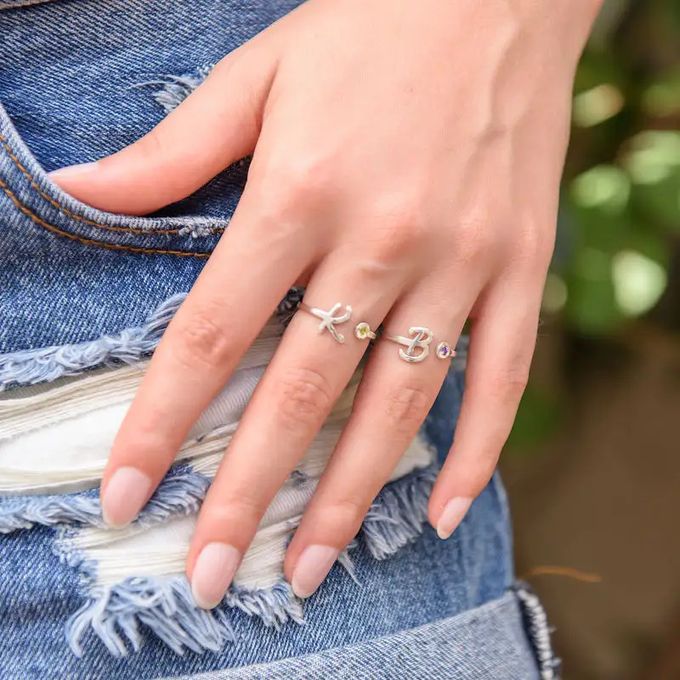
Key Takeaways
- A well-fitting ring should feel secure but comfortable, with light resistance over the knuckle.
- Rings should sit snugly at the base of the finger without pinching or spinning constantly.
- Fingers naturally change size throughout the day due to temperature, activity, and hydration.
- Ring width, style, and metal can all affect how a ring feels on your finger.
- A ring that feels slightly snug at first often becomes more comfortable as you wear it.