

2026 Jewelry Trends Report: Consumer Insights Shaping the Jewelry Industry
The jewelry industry continues to evolve in 2026 as consumers place greater value on personalization, meaningful gifting, and timeless craftsmanship. To better understand these changing preferences, Theo Grace surveyed 200 jewelry consumers in June 2026 and combined the findings with broader industry research. This report explores the key jewelry trends shaping the industry, from design preferences and shopping habits to the growing demand for personalized jewelry that celebrates life's most meaningful moments.

Updated July 9, 2026
1. The Jewelry Industry Continues to Grow
The global jewelry market continues to grow steadily, driven by increasing demand for personalized products, e-commerce and meaningful gift-giving. Industry research forecasts continued growth in the coming years as consumers focus on quality, craftsmanship and pieces that mark important relationships and milestones.
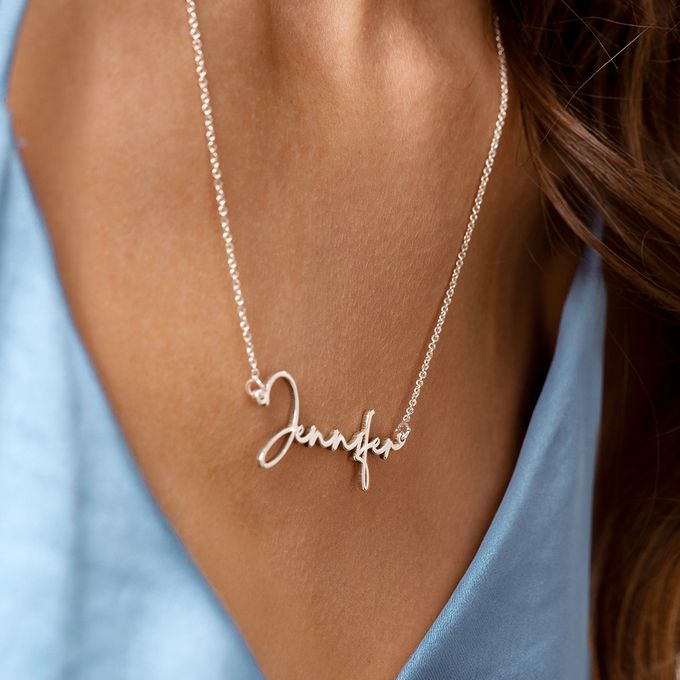
The appeal of personalized jewelry continues to be one of the fastest growing segments of the jewelry industry as consumers continue to lean toward items that hold sentimental value versus passing seasonal fashion trends. The growth of personalized jewelry reveals how emotional storytelling and customization are impacting the future of the jewelry industry.
To provide a broader perspective, the survey findings are supported by industry research and emerging jewelry market trends. Combining consumer feedback with wider jewelry industry insights helps paint a clearer picture of the preferences shaping the future of personalized jewelry in 2026
2.Why People Buy: Meaningful Gifting Beats Out Simple Fashion
Even when retail spending tightens across the globe, jewelry sales remain resilient because they are driven by emotion rather than impulse.
72.8% of survey respondents state that "meaningful gifting" is their main reason for buying jewelry.
While standard occasions still lead the pack (birthdays at 73% and holidays at 50%), our data highlights a growing consumer micro-trend: spontaneous self-gifting. More buyers are treating themselves to mark a personal milestone, a promotion, or a private success, turning self-gifting into a reliable year-round category.
3. Design Scale: Everyday, Delicate Aesthetics Edge Out Statement Pieces
When asked about what size and style they wear most often, the results show a clear split in design preferences:
- Classic & Dainty Pieces: Preferred by 43.7% of buyers.
- Bold, Statement Designs: Preferred by 34.7% of buyers.

This preference for finer, delicate styles is a highly practical choice. Because gold prices remain historically high, customers prioritize versatile pieces that can be layered and worn every day rather than heavy statement items that sit in a jewelry box for special occasions.
4. Product Categories: Necklaces Hold the Top Spot for Direct Customization
When analyzing future shopping plans across different product categories, necklaces are the clear favorite for consumer budgets:
Jewelry Category | Future Purchase Intent | Market Driver |
|---|---|---|
Necklaces | 54.0% | Name plates, initials, lockets |
Bracelets | 24.0% | Charms |
Rings | 13.0% | Milestones |
Earrings | 9.0% | Secondary accessory |
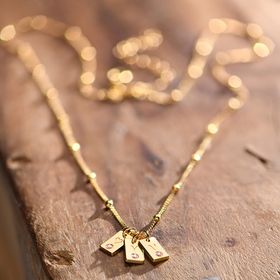
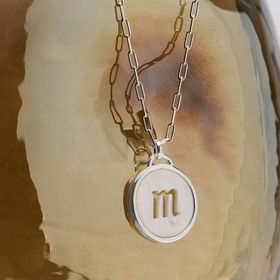
Necklaces dominate because of where they sit. Worn right at the center of the chest, a necklace acts as an outward symbol of identity, making it the most popular home for family initials, custom nameplates, and birthstones.
5. Shopping Habits: The Move to Flexible, Online-First Buying
The survey suggests consumers increasingly expect a seamless shopping experience across both online and physical retail channels. Today's consumer expects a smooth transition between both options:
- Exclusively Online: 47.0% of shoppers prefer to buy entirely through digital platforms.
- Flexible/On-line or In-store: 49.0% choose a mix of online research and flexible shopping channels.
- Exclusively In-Store: Just 4.0% insist on buying only in physical storefronts.
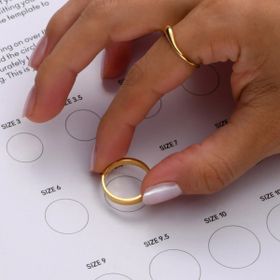
For modern jewelry brands, basic e-commerce is no longer enough. For many modern jewelry brands clear online customization software, 3D product previews, and accurate digital sizing tools that let buyers safely design their pieces from home.
6. Macro Trend: The Rapid Rise of the Self-Purchase Market
Historically, the jewelry sector viewed women primarily as recipients of gifts—marketing almost exclusively around bridal cycles, anniversaries, and holidays. However, our survey data captures a massive behavioral flip that is reshaping the industry.
While 72.8% of jewelry is still bought with a gifting intent in mind, spontaneous self-purchasing has emerged as a major year-round driver of retail volume. Modern consumers—particularly financially independent buyers—are stepping off the traditional "waiting to be gifted" timeline. Instead, they are purchasing demi-fine pieces to celebrate personal milestones, career promotions, or simply as everyday rewards. For brands, this means marketing strategy must shift from purely sentimental, holiday-driven campaigns to empowering, everyday self-expression.
7. What’s Next: Modular Charms and Family-Focused Collections
Where is custom jewelry heading next? The data points directly toward modular jewelry—pieces that can grow, change, and be added to over time as life changes. When asked what categories they want to see expanded, shoppers chose:
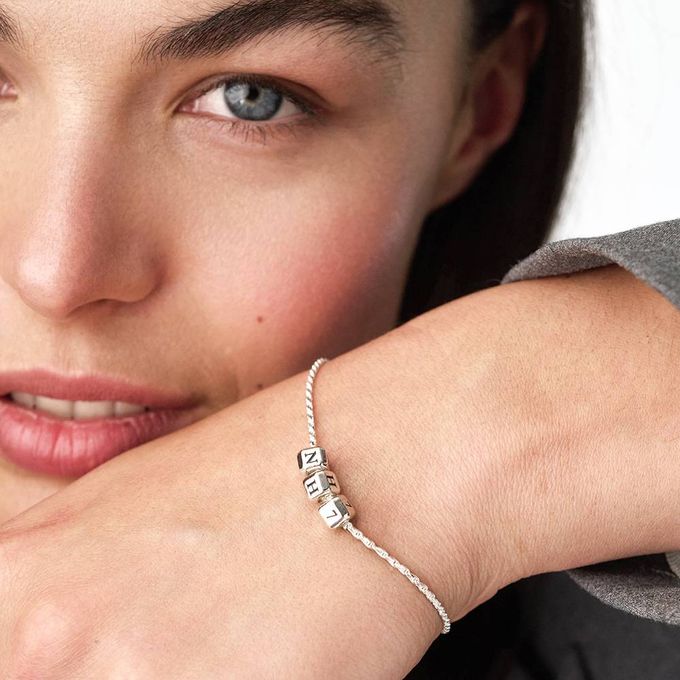
- Modular Charms: 44.0% demand.
- Children’s Jewelry: 33.0% demand.
- Small Diamond Accents: 25.0% demand.
- Pet-Inspired Designs: 16.0% demand.
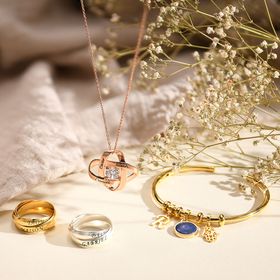
The massive interest in charms shows that consumers want interactive jewelry. They want a foundational piece—like a solid link chain or bracelet—that allows them to add new elements over the years to represent a new child, a pet, or a personal milestone.
8.What this means for the jewelry industry
The survey findings highlight several key jewelry industry trends that are growing in 2026. Consumers are valuing personalization, quality materials, emotional significance, and timeless designs over fleeting fashion trends. Brands that provide customization, clear product information, craftsmanship and meaningful storytelling are better equipped to build long-term customer loyalty. As the jewelry market heats up, creating memorable and personal shopping experiences is becoming just as important as the products themselves.
Conclusion
In 2026, the jewelry industry is being shaped by consumers looking for meaningful purchases, rather than impulse buys. Personalization, craftsmanship and emotional storytelling influence buying decisions across all age groups. According to theo grace’s consumer survey findings, consumers are increasingly looking for jewelry that expresses their identity, relationships and milestones. As the jewelry industry continues to grow, brands that blend exceptional craftsmanship with personalization and timeless design will be best positioned to meet the evolving expectations of modern consumers.
About theo grace
Theo Grace is a personalized jewelry brand specializing in handcrafted custom jewelry co-founded by Nicky Hilton. Theo grace creates handcrafted jewelry designed to celebrate every milestone.
Committed to exceptional craftsmanship, customization, and thoughtful gifting, Theo Grace helps customers create one-of-a-kind pieces that tell their unique stories. Every design is made with the belief that jewelry should be as personal as the memories it represents.
Media Inquiries
This report is part of theo grace's commitment to sharing consumer insights and industry research. For interviews, commentary, partnership opportunities, or additional data requests, please contact: pr@theograce.com